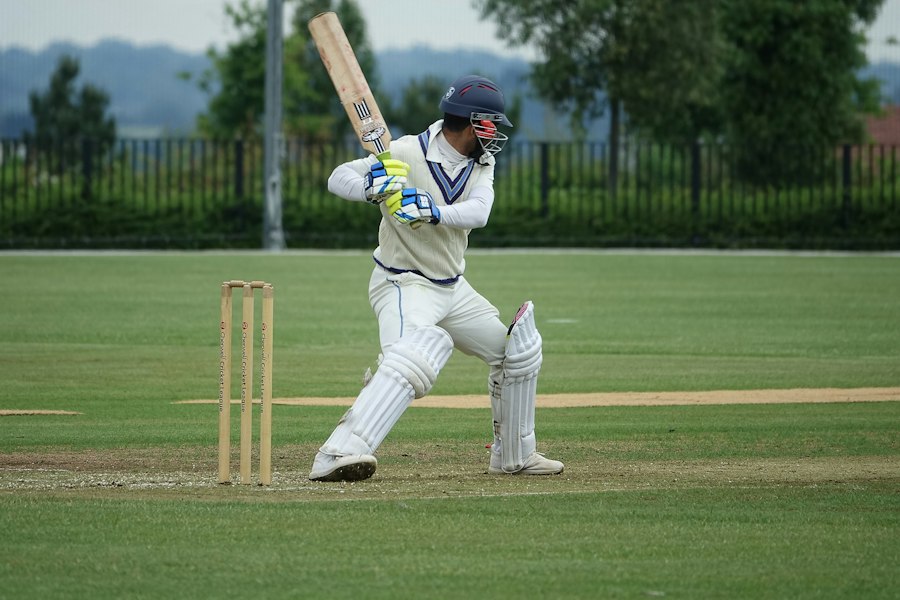
In a stunning announcement that sent shockwaves through the cricketing world, Rohit Sharma — India's most successful ODI captain and one of the finest opening batsmen of his generation — has officially announced his retirement from Test cricket. The 37-year-old made the announcement via a heartfelt post on social media, bringing the curtain down on a Test career that spanned 15 remarkable years.
Rohit, who made his Test debut in 2013 against the West Indies, went on to become one of India's most dependable batsmen in the longest format. His transformation from a middle-order batsman to an explosive Test opener under the guidance of then-coach Ravi Shastri is widely regarded as one of the most successful tactical reinventions in modern cricket.
"Test cricket has given me everything — the highs, the lows, the friendships, and the memories that will last a lifetime. It's time for the next generation to carry the torch. I leave with a full heart and immense gratitude." — Rohit Sharma, via official statement
A Career Defined by Transformation
When Rohit Sharma was first selected for the Indian Test team, few could have predicted the heights he would eventually reach. His early Test career was marked by inconsistency — a player of undeniable talent who struggled to translate his white-ball brilliance into the red-ball format. The turning point came in 2019 when he was promoted to open the batting in the Test series against South Africa.
The results were immediate and spectacular. Rohit scored 529 runs in just three Tests, including two centuries and a double century, announcing himself as a genuine force in the longest format. From that point forward, he never looked back, going on to score 12 Test centuries and accumulating over 3,500 runs at an average exceeding 45.
🏏 Rohit Sharma — Test Career Statistics
Leadership and Legacy
Beyond his batting exploits, Rohit Sharma's legacy as a leader will be equally celebrated. He took over the Test captaincy from Virat Kohli in 2022 and immediately stamped his authority on the team with a more relaxed, player-friendly approach. Under his captaincy, India won 18 of 24 Tests, including a memorable series victory in England and a dominant home campaign against Australia.
His partnership with head coach Rahul Dravid was widely praised for creating a positive team environment that allowed young players to flourish. The emergence of talents like Shubman Gill, Yashasvi Jaiswal, and Sarfaraz Khan under his watch is testament to his nurturing leadership style.
The Numbers Tell the Story
As a Test captain, Rohit's win percentage of 75% places him among the elite captains in Indian cricket history, behind only Sourav Ganguly and MS Dhoni in terms of impact. His ability to read the game, set attacking fields, and back his bowlers with conviction made him a captain who was respected by players and opponents alike.
What Comes Next?
While Rohit has retired from Test cricket, he has confirmed that he will continue to play ODI and T20I cricket for India, at least until the 2026 T20 World Cup. His experience and leadership will remain invaluable in the white-ball formats, where he has been nothing short of extraordinary — holding the record for the most centuries in ODI cricket alongside Virat Kohli.
The BCCI has confirmed that a farewell ceremony will be held at the Wankhede Stadium in Mumbai — the ground where Rohit has played some of his most memorable innings — during the upcoming home Test series against England. Fans across the country are expected to turn out in large numbers to bid farewell to one of India's greatest cricketers.
As the cricketing world processes this news, one thing is certain: Rohit Sharma's contribution to Indian Test cricket will be remembered for generations. From his explosive centuries to his calm leadership under pressure, the Hitman has left an indelible mark on the sport he loves.
💬 Comments (1,240)
Leave a Comment